
Route
Culture & history: Leiden in 2 days
An in-depth route through antiquity, the university, churches, courtyards, Leiden art, world cultures, Molen De Valk and Rembrandt’s early life.
Two days for visitors who want the story behind Leiden
This itinerary goes beyond attractive canals and photo stops. It follows Leiden from antiquity and the early university to the cloth industry, Rembrandt, global collecting histories and the city’s defences. Three museums are divided carefully across two days and connected to relevant monuments and walks.
Who will enjoy this itinerary most?
It is the strongest choice for museum lovers, history enthusiasts, students, teachers and visitors who enjoy labels, audio tours and links between collections and buildings. Much of the plan remains excellent in poor weather.
Best for: culture lovers, history enthusiasts, Museumkaart holders and visitors who value depth over shopping
Pace: intellectually intensive but physically moderate; proper breaks matter
Walking: roughly 5–8 kilometres per day
Cost profile: mid to high without discounts; good value with Museumkaart or student admission
Best conditions: particularly strong in mixed or rainy weather
Who may find this too intensive?
It is less suitable for young children, visitors who tire quickly in museums or anyone mainly seeking terraces, cruises and shopping. Both the antiquities museum and Wereldmuseum reward focused attention.
Antiquity, university history, church and courtyards
Day one explores the historic core around Rapenburg and the Pieterswijk, using antiquity as the starting point before continuing through Leiden’s academic and social history.
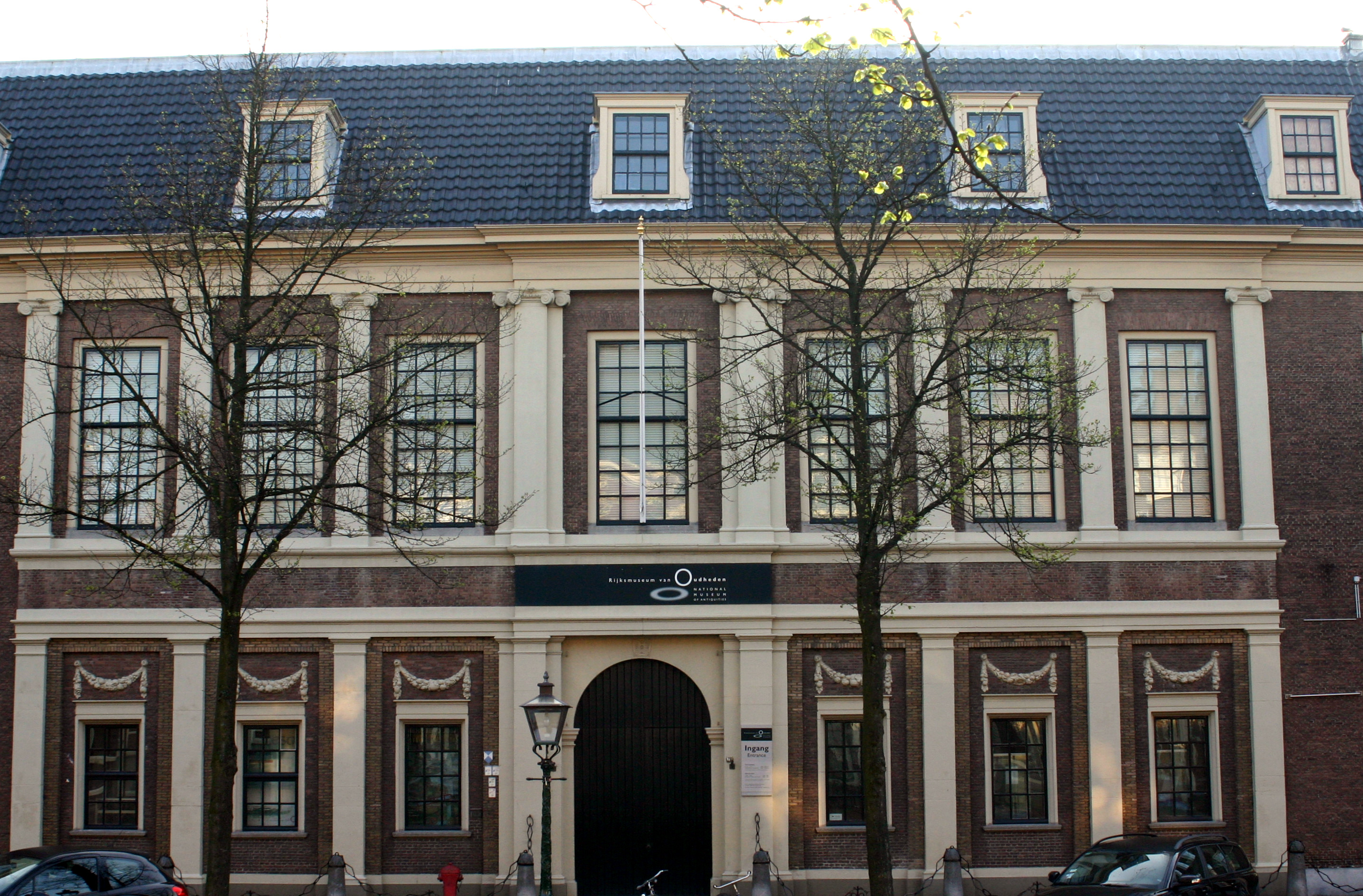
Rijksmuseum van Oudheden
Begin while fresh and choose a theme: Egypt and the Temple of Taffeh, the classical world or archaeology of the Netherlands. Two and a half hours allows depth without sacrificing the whole day.
Why this stop? The collection introduces themes of civilisation, religion, power and archaeology.
Practical tip: Use the audio tour selectively and take a short break halfway.
Lunch on Rapenburg
Stay in the academic district and choose a calm lunch, noticing monumental houses, former colleges and university buildings along the way.
Why this stop? The setting continues the historic character of the morning.
Practical tip: Keep lunch relatively light when you still hope to enter Pieterskerk.
Pieterskerk and Pieterskerkhof
Treat the church as a historical monument rather than only a photograph. Consider its scale, memorials and links to the university and Pilgrims.
Why this stop? It connects religious, academic and international history.
Practical tip: Check public opening; the surrounding district remains worthwhile when the church is closed.
Academy Building and Rapenburg
Walk towards the university’s historic ceremonial centre. The building is not always open, so include the exterior and its setting.
Why this stop? This is where Leiden’s relationship with its university becomes tangible.
Practical tip: Add only a brief look towards the Hortus entrance rather than a full garden visit.
Historic courtyard route
Select three or four courtyards and examine gateways, gardens and their original charitable purpose instead of collecting as many addresses as possible.
Why this stop? The courtyards reveal the social history behind wealthy canal façades.
Practical tip: Respect residents, silence and stated opening hours.
De Burcht and Hooglandse Kerk exterior
Finish at De Burcht and look across the medieval city structure, then continue along Hooglandse Kerkgracht.
Why this stop? The view helps translate the day’s history into the physical layout of Leiden.
Practical tip: When Hooglandse Kerk is open, add a brief visit and remove one courtyard.
Leiden art, global stories, a windmill and Rembrandt
The second day moves from city art and textiles to global cultures, finishing outdoors with the windmill and Rembrandt’s early years.
Museum De Lakenhal
Prioritise Lucas van Leyden, Rembrandt, Jan Steen, Theo van Doesburg, Leiden cloth and the Siege and Relief. The building itself explains the importance of textile inspection.
Why this stop? No other museum connects Leiden art and urban development so directly.
Practical tip: Choose five artworks and one city-history theme before you begin.
Oude Singel and a light lunch
Take a short meal or coffee nearby and look back at the museum buildings from the singel.
Why this stop? The pause prevents museum fatigue before Wereldmuseum.
Practical tip: After a long Lakenhal visit, restrict Wereldmuseum to one exhibition and selected highlights.
Wereldmuseum Leiden
Go beyond attractive objects and engage with colonial collecting, identity, religion and restitution. Check the temporary exhibition in advance.
Why this stop? It places Leiden’s scientific and colonial history within a global context.
Practical tip: Sensory-sensitive visitors should consult the museum’s sensory map.
Molenmuseum De Valk
See the windmill as evidence of a city once surrounded by many mills. Enter when time permits or use the exterior as a compact historical stop.
Why this stop? It adds craft, technology and the former urban landscape.
Practical tip: Check final entry time before planning an interior visit.
Rembrandt route
Follow selected places connected to Rembrandt’s youth and training, focusing on his birth area, Latin School and artistic network rather than every plaque.
Why this stop? The walk connects paintings in De Lakenhal with the city in which he grew up.
Practical tip: Use a reliable map because not every historic site survives as an obvious original building.
Dinner or a quiet reading café
End somewhere calm, ideally in a historic building or beside a canal.
Why this stop? After an information-rich day, rest is more valuable than another attraction.
Practical tip: Reserve small restaurants around Rapenburg or the Pieterswijk.
Practical choices for culture lovers
- Use the Museumkaart where possible and check youth or student admission at each museum.
- Check temporary exhibitions at De Lakenhal and Wereldmuseum because they affect visit length.
- Use audio tours selectively to avoid information overload.
- Schedule at least one substantial seated break each day.
- Churches and monuments do not always keep museum-style hours, so retain an exterior alternative.
What changes in rain?
Extend the museums and reduce courtyards, De Burcht, the windmill exterior and the Rembrandt walk. Do not automatically replace every outdoor section with another major museum; a longer lunch can make the second day much better.
Local tip
Read Leiden chronologically: antiquity and university first, then cloth, Rembrandt and global collections. The museums become connected chapters rather than separate institutions.
Why this itinerary offers greater depth
It links objects, architecture and the development of Leiden. The route is more intensive than the all-round option, but far stronger for visitors who want to understand why the city became historically important.
Stops on this route
- Day 1 · Rijksmuseum van Oudheden09:30–12:00 — Begin while fresh and choose a theme: Egypt and the Temple of Taffeh, the classical world or archaeology of the Netherlands. Two and a half hours allows depth without sacrificing the whole day.
- Day 1 · Lunch on Rapenburg12:00–13:00 — Stay in the academic district and choose a calm lunch, noticing monumental houses, former colleges and university buildings along the way.
- Day 1 · Pieterskerk and Pieterskerkhof13:00–14:00 — Treat the church as a historical monument rather than only a photograph. Consider its scale, memorials and links to the university and Pilgrims.
- Day 1 · Academy Building and Rapenburg14:00–14:45 — Walk towards the university’s historic ceremonial centre. The building is not always open, so include the exterior and its setting.
- Day 1 · Historic courtyard route14:45–16:30 — Select three or four courtyards and examine gateways, gardens and their original charitable purpose instead of collecting as many addresses as possible.
- Day 1 · De Burcht and Hooglandse Kerk exterior16:30–17:30 — Finish at De Burcht and look across the medieval city structure, then continue along Hooglandse Kerkgracht.
- Day 2 · Museum De Lakenhal09:30–11:45 — Prioritise Lucas van Leyden, Rembrandt, Jan Steen, Theo van Doesburg, Leiden cloth and the Siege and Relief. The building itself explains the importance of textile inspection.
- Day 2 · Oude Singel and a light lunch11:45–12:30 — Take a short meal or coffee nearby and look back at the museum buildings from the singel.
- Day 2 · Wereldmuseum Leiden12:45–15:00 — Go beyond attractive objects and engage with colonial collecting, identity, religion and restitution. Check the temporary exhibition in advance.
- Day 2 · Molenmuseum De Valk15:10–16:00 — See the windmill as evidence of a city once surrounded by many mills. Enter when time permits or use the exterior as a compact historical stop.
- Day 2 · Rembrandt route16:00–17:30 — Follow selected places connected to Rembrandt’s youth and training, focusing on his birth area, Latin School and artistic network rather than every plaque.
- Day 2 · Dinner or a quiet reading caféFrom 17:30 — End somewhere calm, ideally in a historic building or beside a canal.
Explore more
 Place8,5/10
National Museum of Antiquities
The Netherlands’ national archaeological museum, with the complete Temple of Taffeh, a world-class Egyptian collection and major objects from Greece, Rome and the early Netherlands.
 Place8,9/10
 Place8,6/10
Wereldmuseum Leiden
Museum of world cultures, human stories and international collections near the station.